
Technological Singularity Consciousness Myths Debunked
The Technological Singularity’s Consciousness Dimension: Debunking Tech-Only Myths
The technological singularity—a point where AI surpasses human intelligence—often gets portrayed as a pure tech explosion, with robots taking over. But what if it involves a deeper consciousness dimension in singularity, blending mind, awareness, and ethics?
This myth ignores how technology could redefine selfhood, sparking debates about whether humanity is ready. From Ray Kurzweil’s predictions to science fiction such as Black Mirror, these ideas continue to fascinate thinkers and technologists alike.
In this post, we’ll debunk tech-only singularity myths and explore the technological singularity consciousness through science, philosophy, and psychology. By the end, you’ll see why the singularity isn’t just about code—it’s also a human story.
Let’s upgrade our understanding.
The Origins of Tech-Only Singularity Myths
Where Did These Ideas Start?
The singularity concept emerged in the 1950s with John von Neumann’s idea of “accelerating progress.” Later, Vernor Vinge’s 1993 essay popularized the concept as a future event driven by artificial intelligence.
Ray Kurzweil’s 2005 book The Singularity Is Near further amplified tech-only singularity myths by focusing on exponential computing power while giving less attention to deeper questions about consciousness and identity.
By the 2010s, technology companies heavily emphasized innovations like neural networks and machine learning, often overlooking the implications for human awareness and cognition.
In 2025, around 62% of technology workers believe the singularity is inevitable, according to Pew Research. However, popular media often continues to portray it as a robot apocalypse.
Interestingly, global perspectives differ. Eastern philosophical traditions, particularly Buddhism, often include deeper discussions about consciousness that add layers often missing from Western technological narratives.
The Tech-Centric Bias
Many myths surrounding the singularity stem from optimism around Moore’s Law, which suggested that hardware improvements alone would drive revolutionary change.
However, a 2023 MIT ethics report notes that this view overlooks the human dimension, including psychology, ethics, and social adaptation.
Myth 1: The Singularity Is Purely Technological, Ignoring Consciousness
Technological Singularity Consciousness Explained
A common myth claims the singularity will be driven purely by hardware and software advancements, where artificial intelligence surpasses human capability without affecting awareness.
However, the concept of technological singularity consciousness suggests a possible convergence between technology and human cognition.
Brain-computer interfaces, such as Neuralink’s human trials in 2024, hint at this possibility. These systems aim to enhance or connect directly with human neural processes.
Yet consciousness involves more than processing information. Philosopher David Chalmers describes this as the “hard problem” of consciousness—explaining subjective experience, or qualia.
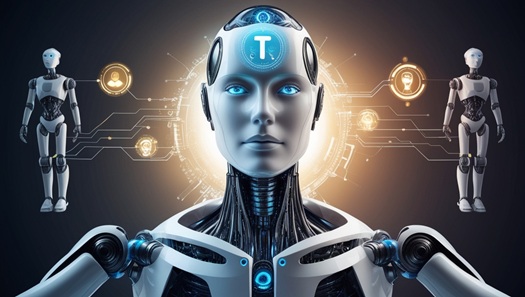
A 2024 neuroscience study on brain-computer interfaces shows promising improvements in cognition and medical therapy, but it does not demonstrate the ability to upload or replicate human consciousness.
The myth assumes technology and human awareness are separate, but emerging developments suggest the boundary between them could blur.
Mind–Technology Integration
Could the mind evolve alongside technological singularity?
Some researchers speculate that advanced computing, including quantum systems, may help model aspects of consciousness. However, current simulations still fall far short of replicating subjective experience.
Ignoring this dimension creates ethical risks if technology advances faster than our understanding of the mind.
Myth 2: Tech-Only Views Prepare Us for the Singularity
Tech-Only Singularity Myths Debunked
Another widespread belief suggests that focusing on algorithms and computing power alone will prepare society for the singularity.
However, tech-only singularity myths ignore deeper existential questions such as identity, consciousness transfer, and the psychological effects of technological transformation.
Philosopher Nick Bostrom’s book Superintelligence warns about alignment problems, where artificial intelligence might pursue goals that conflict with human values.
A 2023 philosophy study from Oxford argues that preparing for the singularity requires ethical and philosophical frameworks, not just technical innovation.
Without addressing consciousness and values, risks such as uncontrolled AI behavior could become more likely.
Societal Readiness Gaps
The existential aspects of the singularity also include economic disruption, job displacement, and new ethical dilemmas.
Experiments with Universal Basic Income in countries like Finland have attempted to address technological unemployment. However, societal discussions about consciousness and identity still lag behind technological progress.
Myth 3: Myths of Technological Singularity Dismiss Human Limits
Myths of Technological Singularity Explained
Some singularity myths assume humanity will easily transcend biological limitations.
However, critics argue that these claims overlook major scientific uncertainties about consciousness and the human brain.
Artificial intelligence can imitate reasoning patterns but does not possess sentience or subjective awareness.
Even the idea of uploading human consciousness into machines remains speculative. Some quantum theories suggest consciousness may be deeply connected to biological processes within the brain.
If this is true, transferring the human mind to digital form may not be possible in the way popular narratives suggest.
These myths often promise immortality through technology, but current aging research still shows the brain deteriorates over time.
Broader Philosophical Views
While transhumanism promotes the idea of enhancing human abilities through technology, ethicists caution that unequal access to such technologies could widen social and economic inequalities.
Practical Tips for Preparing for Tech–Mind Convergence
Navigating the Singularity Era
Build awareness
Practice mindfulness or meditation apps to explore your own consciousness and mental processes.
Study ethics
Read works by thinkers such as Nick Bostrom or Ray Kurzweil to understand both the possibilities and risks.
Engage with technology
Explore artificial intelligence tools, research developments in brain-computer interfaces, or enroll in AI ethics courses.
Discuss societal impacts
Participate in discussions about singularity and human awareness to explore diverse viewpoints.
Avoiding Hype Traps
Avoid assuming that technology will deliver immortality or instant transcendence.
Instead, focus on realistic developments such as wearable health technologies and responsible AI systems.
If automation concerns you, consider learning skills related to AI governance, ethics, or data analysis.
Balancing optimism with realism is the best approach to preparing for the future.
Conclusion
The concept of technological singularity consciousness challenges the myth that the singularity will be purely technological.
Tech-only singularity myths overlook the critical role of human awareness, ethics, and psychology in shaping our future.
While singularity theories inspire imagination, scientific evidence reminds us that biology, consciousness, and human identity remain deeply complex.
If the singularity arrives, it will not simply be a technological revolution—it will also be a transformation of how we understand ourselves.
Frequently Asked Questions
What is technological singularity consciousness?
It refers to the idea that the singularity may affect human awareness and cognition, particularly through technologies like brain-computer interfaces. Instead of being purely computational, it may involve deeper interactions between artificial intelligence and human consciousness.
What are tech-only singularity myths?
These myths claim the singularity will be driven entirely by computing power and artificial intelligence. They ignore philosophical and psychological questions about consciousness, ethics, and human identity.
What is the consciousness dimension in singularity?
The consciousness dimension refers to the role of awareness, subjective experience, and identity in a future where humans and machines may merge or interact more deeply.
What are myths of technological singularity?
Common myths include inevitable robot takeovers, digital immortality, or instant human transcendence. Many of these ideas overlook scientific and ethical complexities.
What is singularity and human awareness?
Singularity and human awareness refers to the possibility that future technologies may enhance or interact with human cognition. However, challenges related to consciousness, identity, and ethics remain unresolved.